
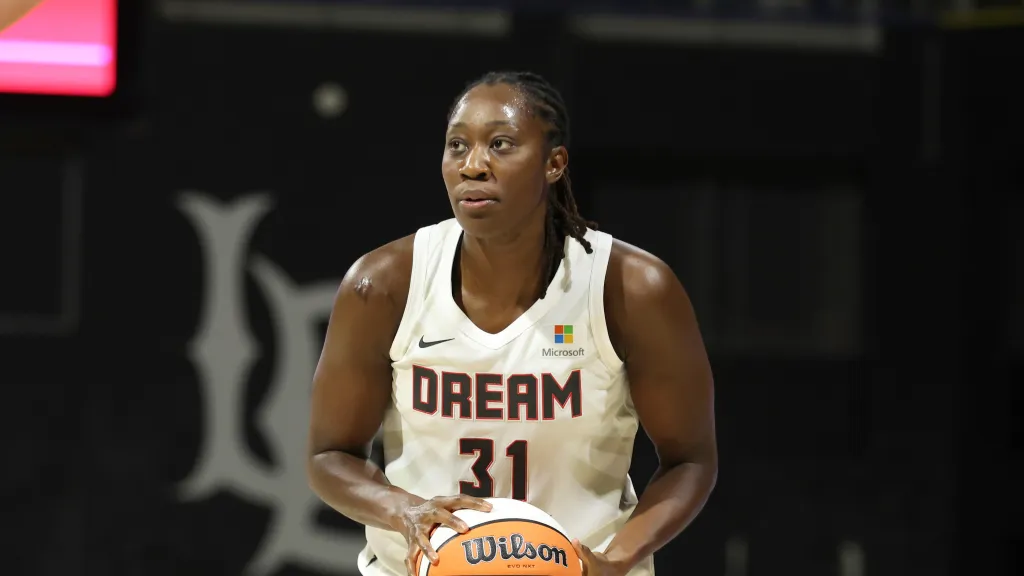
Force in Women’s Basketball: The Remarkable Journey of Tina Charles

project7alpha.com – Tina Charles, a name synonymous with resilience, skill, and leadership in the world of women’s basketball, has carved out a legacy that transcends the court. Her journey from a promising high school phenom to a dominant force in the WNBA and beyond is a testament to her unwavering dedication and talent. This article delves into the life and career of Tina Charles, highlighting her achievements, challenges, and the impact she has made on the sport.

Early Beginnings and College Dominance

Born in New York City, Tina Charles showed early signs of basketball prowess. Her high school career at Christ the King Regional High School was nothing short of spectacular, earning her numerous accolades and a reputation as one of the nation’s top recruits. Charles chose to attend the University of Connecticut (UConn), where she became a key player for the Huskies. During her college career, she helped lead UConn to two NCAA championships and was named the Most Outstanding Player of the 2010 NCAA Tournament. Her college accolades also include being a three-time All-American and the 2010 NCAA Basketball Tournament Most Outstanding Player.

Dominance in the WNBA

The Connecticut Sun selected Tina Charles with the first overall pick in the 2010 WNBA Draft. Her transition to the professional league was seamless, as she quickly established herself as one of the league’s premier players. Charles’s impact was immediate, earning her the WNBA Rookie of the Year award in her debut season. Throughout her WNBA career, she has been a consistent scoring threat, a rebounding powerhouse, and a defensive stalwart. Her list of individual accolades includes multiple All-WNBA Team selections and being named the WNBA Most Valuable Player in 2012.

International Success and Leadership

Beyond the WNBA, Tina Charles has made significant contributions to the sport on the international stage. She has been a key member of the United States women’s national basketball team, winning gold medals at the 2010 FIBA World Championship for Women and the 2012 Summer Olympics. Charles’s versatility, work ethic, and leadership have been invaluable assets to the national team, helping to maintain the USA’s dominance in international competitions.

Overcoming Challenges and Inspiring Others

Like many athletes, Tina Charles has faced her share of challenges, including injuries and the demands of balancing a professional and personal life. Her resilience in overcoming these obstacles serves as an inspiration to aspiring athletes. Charles is also an advocate for women’s sports and empowerment, using her platform to promote equality and encourage young girls to pursue their dreams in basketball and beyond.

Legacy and Impact

Tina Charles’s legacy in women’s basketball is defined not only by her on-court achievements but also by her off-court contributions. She has been a role model for young athletes, demonstrating the importance of hard work, perseverance, and leadership. Charles’s impact on the sport is undeniable, and her journey continues to inspire future generations of basketball players.

As Tina Charles’s career progresses, her influence on women’s basketball is sure to grow. Her dedication to the sport, both on and off the court, makes her a true icon in the world of women’s basketball.
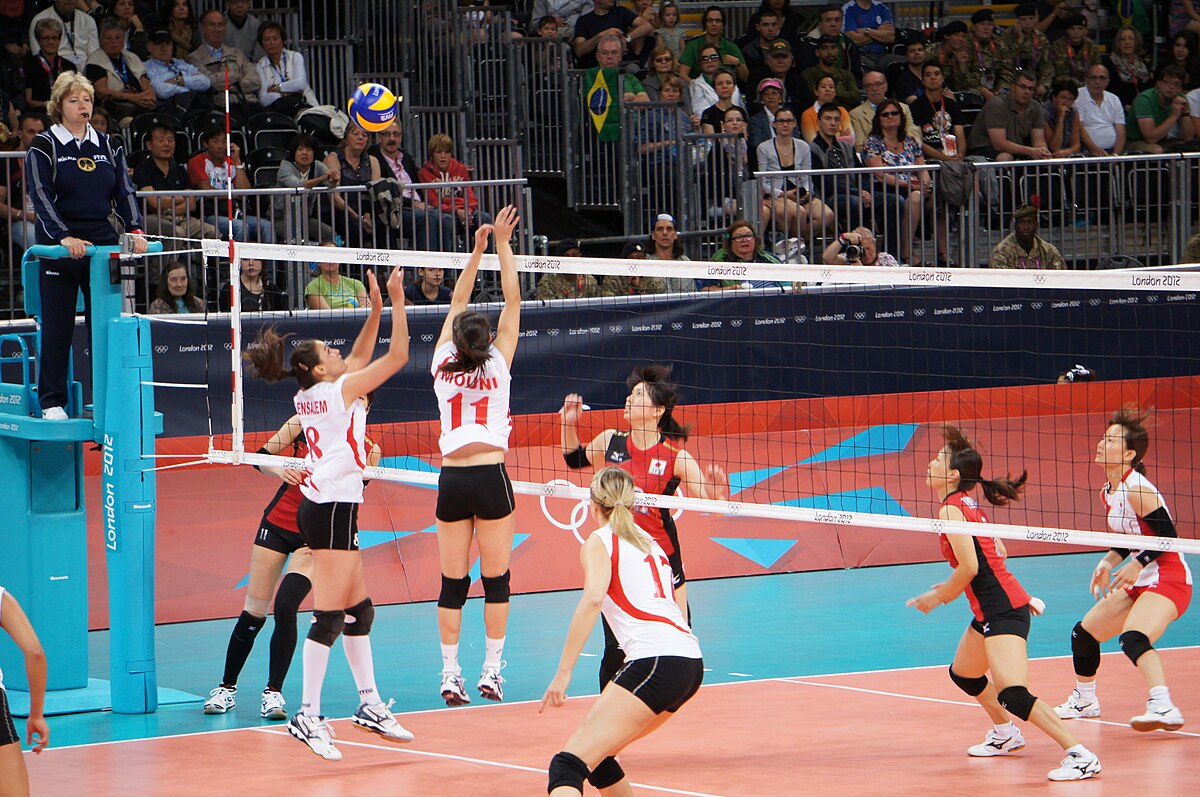
The Power of Women in Volleyball: Net Gain

project7alpha.com – Volleyball, a sport that demands agility, strategy, and teamwork, has seen a remarkable rise in the prominence and influence of women athletes. From the sandy courts of beach volleyball to the indoor arenas, women in volleyball have not only showcased their athletic prowess but have also become powerful figures in sports, inspiring generations and breaking barriers. This article delves into the net gain of women in volleyball, exploring their impact on the sport, society, and the empowerment of women worldwide.

The Rise of Women’s Volleyball:
Women’s volleyball has come a long way since its early days. Once considered a mere sideshow to men’s volleyball, it has now become a major attraction, drawing large audiences and gaining significant media coverage. The evolution of the sport has been marked by the success of national teams and the emergence of star players who have become household names. The FIVB Women’s World Championship, the Olympic Games, and the professional leagues around the world have become platforms where female athletes demonstrate their skills, determination, and competitive spirit.

Empowerment Through Sport:
Women in volleyball have been instrumental in promoting gender equality in sports. They have used their platforms to advocate for better opportunities for female athletes, including equal pay, media coverage, and sponsorships. The visibility of successful women volleyball players has encouraged young girls to pursue their dreams in sports, challenging traditional stereotypes and breaking down barriers.

Role Models and Inspirations:
Players like Misty May-Treanor and Kerri Walsh Jennings have become icons in beach volleyball, winning multiple Olympic gold medals and inspiring countless athletes. Indoor legends like Logan Tom, Jovana Brakočević, and Sheilla Castro have showcased the artistry and power of the game, influencing a new generation of players. These athletes are not just sports stars; they are role models who embody strength, resilience, and leadership, both on and off the court.

The Business of Women’s Volleyball:
The success of women in volleyball has also had a significant impact on the business side of the sport. Professional leagues like the Italian Serie A1, the Turkish Women’s Volleyball League, and the Brazilian Superliga have seen increased investment and popularity, thanks in part to the star power of female athletes. This has led to better contracts for players, improved training facilities, and a higher level of competition.

Challenges and Opportunities:
Despite the progress, women in volleyball still face challenges, including unequal pay, lack of media coverage compared to men’s sports, and societal biases. However, the momentum is on their side, and with continued advocacy and support, the sport is poised to make further strides in gender equality. The rise of social media has also given female volleyball players a direct line to their fans, allowing them to build personal brands and advocate for change more effectively.

Conclusion:
The power of women in volleyball is undeniable. They have transformed the sport, inspiring others and paving the way for future generations. As the influence of women in volleyball continues to grow, so does the potential for positive change in sports and society at large. The net gain of women in volleyball is not just measured in championships won or records broken, but in the lives touched and the barriers dismantled. It is a testament to the strength, skill, and determination of women athletes who continue to soar higher with every jump, spike, and serve.

Dangerous Women in Literature: The Shadow of Seduction

project7alpha.com – From the ancient texts to the modern digital age, literature has always been a mirror reflecting the complexities of human nature. Among the myriad characters that have graced the pages of books, a particular archetype has captivated readers and writers alike: the dangerous woman. These characters, often shrouded in the shadow of seduction, wield their allure as a weapon, challenging societal norms and the expectations of their readers. They are the sirens of storytelling, the femmes fatales who navigate the treacherous waters of desire and power.

The allure of the dangerous woman in literature lies in her ambiguity. She is both the object of desire and the subject of fear, embodying the duality of attraction and repulsion. From the ancient Greek myth of Circe, who transformed men into beasts with her enchanting potions, to the modern-day protagonists of erotic fiction, these characters have evolved, yet their essence remains the same: they are the embodiment of the unknown, the uncontrollable, and the irresistible.

One of the most iconic dangerous women in literature is undoubtedly Shakespeare’s Cleopatra. In “Antony and Cleopatra,” she is portrayed as a queen whose beauty and wit ensnare the heart of the Roman general Mark Antony, leading him to his downfall. Cleopatra’s seductive power is not just physical; it is intellectual and political, making her a formidable force. Her character challenges the patriarchal norms of her time and of Shakespeare’s audience, presenting a woman who is not just a pawn in the games of men but a player in her own right.

Moving forward in literary history, we encounter the likes of Charlotte Brontë’s Bertha Mason in “Jane Eyre.” Bertha, the madwoman in the attic, represents the repressed and dangerous feminine sexuality that Victorian society feared. Her character is a shadowy figure, a warning of what might happen if the “civilized” veneer of womanhood is stripped away. Bertha’s presence in the novel serves as a counterpoint to the demure and virtuous Jane, highlighting the tension between the acceptable and the forbidden.

In the 20th century, the dangerous woman archetype found new expressions. D.H. Lawrence’s “Lady Chatterley’s Lover” pushed the boundaries of censorship with its explicit portrayal of a woman’s sexual awakening outside the confines of marriage. Lady Chatterley’s pursuit of pleasure with her gamekeeper, Mellors, was a bold statement against the sexual repression of her time. Her character, like many dangerous women before her, challenges the status quo, advocating for the liberation of desire.

The femme fatale of film noir also made her mark on literature, with authors like James M. Cain and Raymond Chandler creating characters that embodied the allure and danger of the archetype. In Cain’s “The Postman Always Rings Twice,” Cora Papadakis uses her sexuality to manipulate and control the men around her, leading them to their doom. These characters are not merely victims of their passions; they are active agents in the orchestration of desire and destruction.

In contemporary literature, the dangerous woman continues to captivate. The “Fifty Shades of Grey” series by E.L. James, with its exploration of BDSM and power dynamics in a romantic relationship, has been both lauded and criticized for its portrayal of a dangerous woman in the guise of Anastasia Steele, who ventures into the unknown, both literally and metaphorically.

The shadow of seduction cast by dangerous women in literature is not just a reflection of male fantasies or fears. It is a testament to the complexity of female sexuality and power. These characters remind us that desire is a force that can topple empires, challenge societal norms, and redefine the boundaries of self. They are a reminder that the most dangerous weapon a woman can wield is not a sword or a gun, but her own agency.

In conclusion, the dangerous woman in literature is a multifaceted archetype that has evolved with the times, yet remains a constant in the human imagination. She is a symbol of the eternal struggle between desire and control, a reminder of the power of the forbidden. As long as stories are told, the shadow of seduction cast by these dangerous women will continue to captivate and challenge readers, inviting us to explore the depths of our own desires and fears.