
A Tale of Magic, Mystery, and Legacy: The Last Warlock

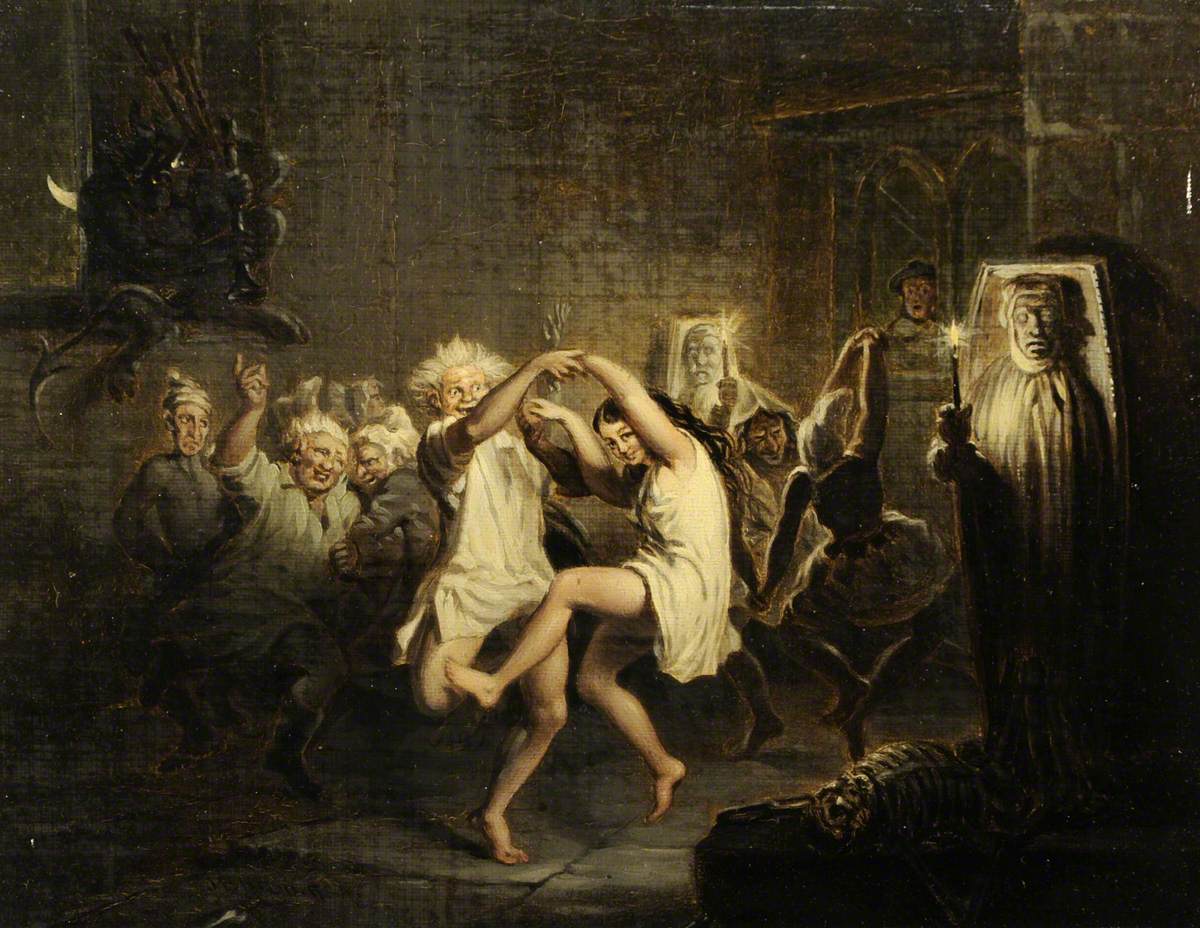
project7alpha.com – In the annals of magical lore, few stories captivate the imagination quite like that of “The Last Warlock.” This enigmatic figure, shrouded in mystery and legend, represents a pivotal moment in the history of the arcane arts. The tale of The Last Warlock is not just a story of magic; it is a narrative that delves into themes of power, responsibility, and the inevitable passage of time.

The Rise of a Legend

The Last Warlock, known by many names across various cultures, was said to be the most powerful practitioner of magic in his time. His mastery over the elements and the arcane was unparalleled, and his knowledge of the mystical arts was considered to be unmatched. This warlock was not just a wielder of magic; he was a scholar, a philosopher, and a guardian of ancient secrets that had been lost to the ages.

A Guardian of Ancient Secrets

The Last Warlock was entrusted with secrets that could alter the fabric of reality itself. These secrets, passed down through generations of mystics and sorcerers, were protected by him with a fierce dedication. He understood the power and the potential destruction that could be unleashed if such knowledge fell into the wrong hands. His life was dedicated to the preservation of balance and the prevention of chaos.

The Burden of Power

With great power came great responsibility, and The Last Warlock bore this burden with a heavy heart. He knew that his abilities set him apart from the rest of humanity, and with that came a sense of isolation. Despite his formidable powers, he was not immune to the loneliness that often accompanies those who walk the path of the arcane.

The Legacy of The Last Warlock

As the years passed, The Last Warlock became a legend, his existence blurring the lines between myth and reality. His legacy, however, was not just in the tales told about him but in the impact he had on the world. He was a protector, a teacher, and a symbol of the potential for magic to be a force for good.

The End of an Era

The story of The Last Warlock is also a story of an ending. As the last of his kind, he marked the end of an era, a transition from a time when magic was a dominant force in the world to a time when it became more myth than reality. His departure from the mortal realm left a void that could not be filled, a reminder of the fleeting nature of power and the inevitability of change.

Conclusion

The Last Warlock remains a figure of fascination and intrigue. Whether he truly existed or is a creation of collective myth-making, his story serves as a powerful reminder of the allure and the danger of magic. It is a tale that transcends time, inspiring wonder and contemplation in those who hear it. As we look back on the legacy of The Last Warlock, we are reminded of the enduring power of stories to captivate our imaginations and challenge our understanding of the world.
Unraveling the Mystery: The Phantom Ship of the Bermuda Triangle

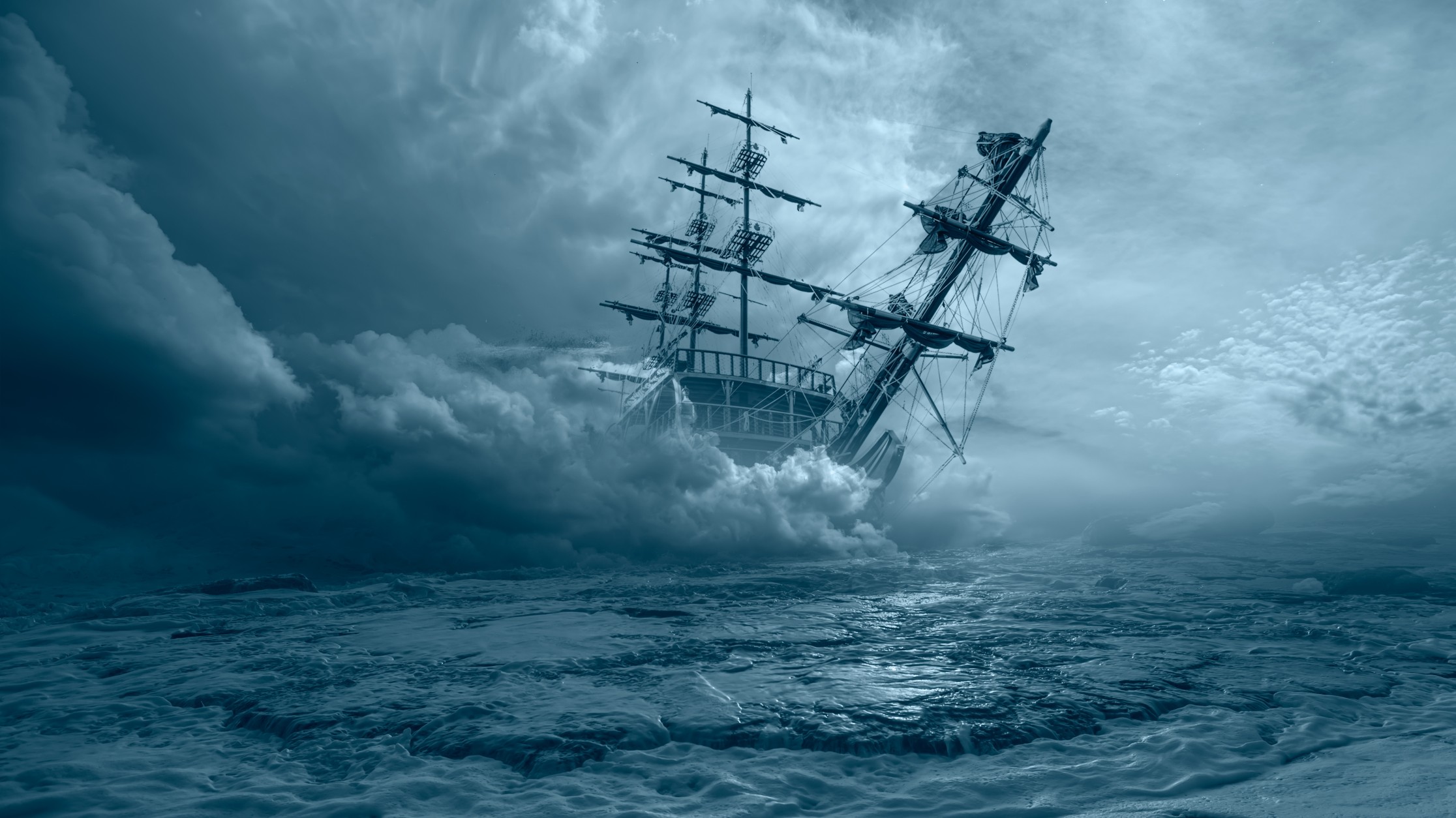
project7alpha.com – The Bermuda Triangle, also known as the Devil’s Triangle, is a loosely defined region in the western part of the North Atlantic Ocean, where a number of aircraft and ships are said to have disappeared under mysterious circumstances. Among the many tales of unexplained vanishings, one of the most intriguing is that of the phantom ship, the USS Cyclops.

The USS Cyclops was a United States Navy collier (a type of cargo ship designed to transport coal) that vanished without a trace in March 1918. The ship was on a routine voyage from Barbados to Baltimore, Maryland, with a crew of 309 and a cargo of manganese ore, which was crucial for the wartime effort during World War I. However, the Cyclops never reached its destination, and no distress signals were ever received.

The disappearance of the USS Cyclops remains the greatest maritime mystery in U.S. naval history. The ship’s fate has been the subject of much speculation and has been linked to the Bermuda Triangle’s reputation for unexplained disappearances. Over the years, numerous theories have been proposed to explain what happened to the Cyclops:

  1. Sinking due to bad weather: The Bermuda Triangle is known for its sudden and severe weather changes. It’s possible that the Cyclops encountered a storm that overwhelmed the ship, causing it to sink. However, no severe weather was reported in the area at the time of its disappearance.
  2. Explosion or fire: An internal explosion or fire could have sunk the ship quickly, leaving no time for distress signals. The cargo of manganese ore, if improperly stowed, could have shifted and caused structural damage, leading to a catastrophic event.
  3. Submarine attack: During World War I, German U-boats were active in the Atlantic. However, there is no evidence to suggest that the Cyclops was attacked by a submarine, and such an incident would have been highly unlikely given the ship’s route and the lack of any recorded attacks in the area at that time.
  4. Mutiny or piracy: Some have suggested that the crew may have mutinied or that the ship was taken by pirates. However, these theories are not supported by any evidence and seem unlikely given the size of the crew and the lack of motive.
  5. Bermuda Triangle phenomena: The most sensational theories involve the supernatural or extraterrestrial explanations often associated with the Bermuda Triangle, such as time warps, portals to other dimensions, or alien abductions. These theories are not grounded in scientific evidence and are generally dismissed by experts.

Despite extensive searches, no trace of the USS Cyclops or its crew has ever been found. The ship was officially listed as presumed lost on June 22, 1918, and the fate of the Cyclops remains a mystery.

The story of the USS Cyclops has contributed to the lore of the Bermuda Triangle and continues to fascinate people around the world. While the Bermuda Triangle has been debunked by experts as a myth with most incidents having rational explanations the phantom ship of the Cyclops remains a compelling mystery, a reminder of the sometimes inscrutable nature of the sea and the human imagination’s capacity to fill in the gaps of what we do not know.